
01
Payments Filipinos actually use
GCash, Maya, PayMongo, Dragonpay, cards, online banking and over-the-counter — plus cash on delivery. Checkout offers what your buyer already has in their pocket, so more carts get finished.
Your #1 Technology Partner · Cainta, Rizal · 24/7 AI-assisted support
Services
An online store that takes every payment your customers actually use — and keeps the commission the marketplaces take off you.
Ecommerce website development in the Philippines is not just a shopping cart.
An animated online store checkout: a product is added to a cart, paid with GCash, and confirmed with an order number.
A store that takes the order and the payment while you are asleep.
Years building for Philippine businesses
Projects delivered
Starter store, kickoff to live
Uptime guarantee on VenderIT Cloud
GCash, Maya, PayMongo, Dragonpay, cards, online banking and over-the-counter — plus cash on delivery. Checkout offers what your buyer already has in their pocket, so more carts get finished.
COD confirmation by SMS, Viber or Messenger before dispatch, delivery status on every order, and a return-to-sender count you can actually see. Fewer joke orders, fewer parcels coming back at your cost.
Book J&T, LBC, Lalamove or Grab from the order screen, print waybills and push tracking numbers to customers automatically — instead of retyping addresses into a courier site one order at a time.
Your own store, your Shopee shop and your Lazada shop working from the same inventory, so selling out in one place doesn't leave you cancelling orders in another.
Trained on your catalogue, sizes, shipping times and returns policy. It answers "available pa ba?" at midnight, points buyers to the right product and passes real enquiries to your team. Free for the life of your store.
Ecommerce web design in the Philippines starts with structure, not decoration: product and category pages with proper titles, descriptions, image alt text and product schema set at launch, plus an admin panel with unlimited listings your team can run without a developer.
Online store development in the Philippines lives or dies on the boring part: SKUs, variants, weights, shipping zones and which orders you will accept on COD. We settle that before design, not after.
You get: A product data template and written scope
Category to product to cart in as few taps as possible, designed mobile-first because that is where your buyers are, and reviewed with you before we build.
You get: Approved store designs
Checkout, gateway integration, COD confirmation, courier rates, order statuses, receipts and stock rules — all proven with live test transactions before launch.
You get: A staging store with test payments
Catalogue import, Shopee and Lazada sync where you sell there, and the AI assistant trained on your stock, shipping times and returns policy.
You get: A loaded catalogue and a trained assistant
You go live on VenderIT Cloud with a 99.9% uptime guarantee. We monitor, fix and keep tuning the store as your order volume grows.
You get: A live store plus 1-year support and warranty
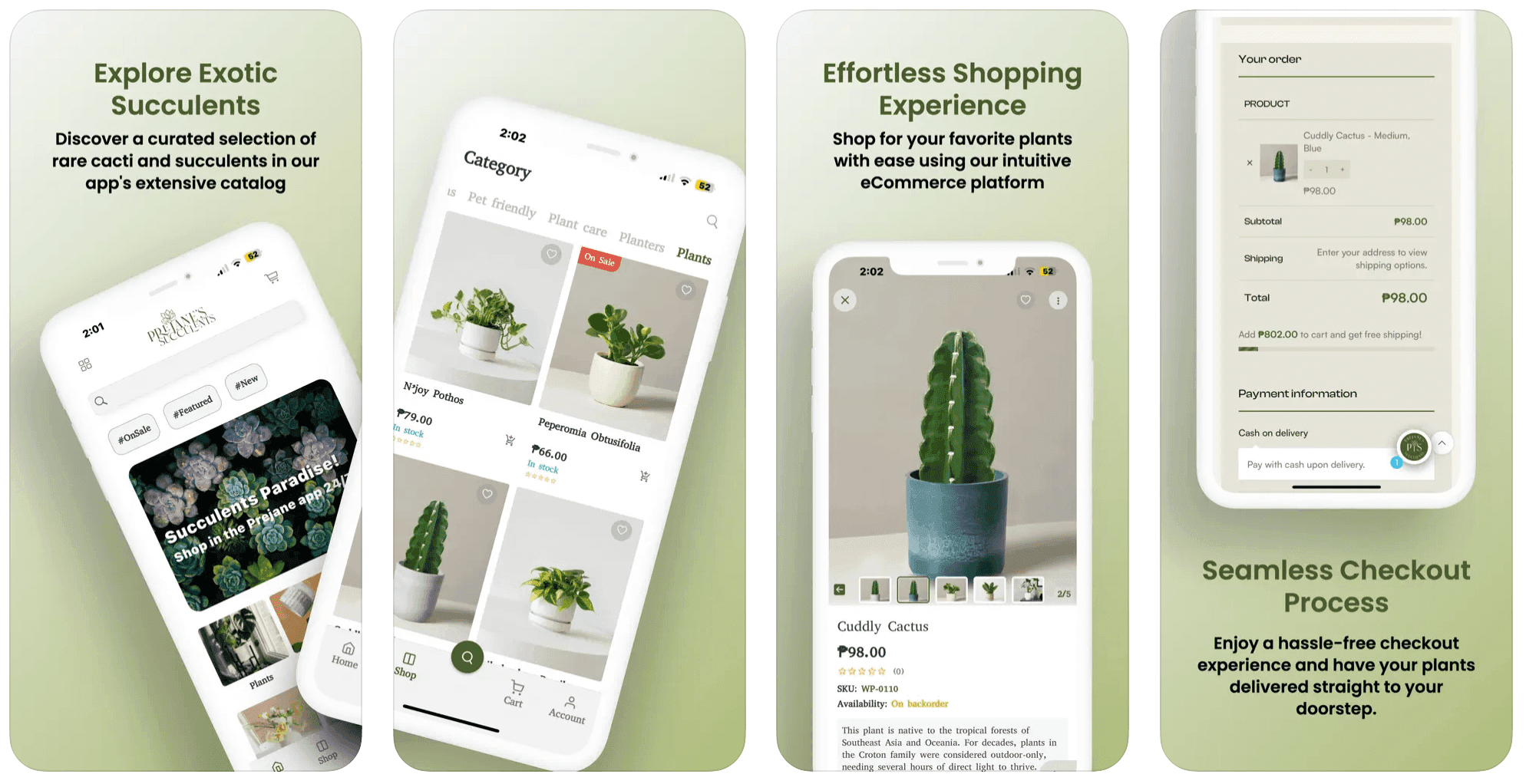
Retail & eCommerce
A succulents and houseplants shop app: priced listings with a stock status, a five-photo product page and cash on delivery.
Read the case study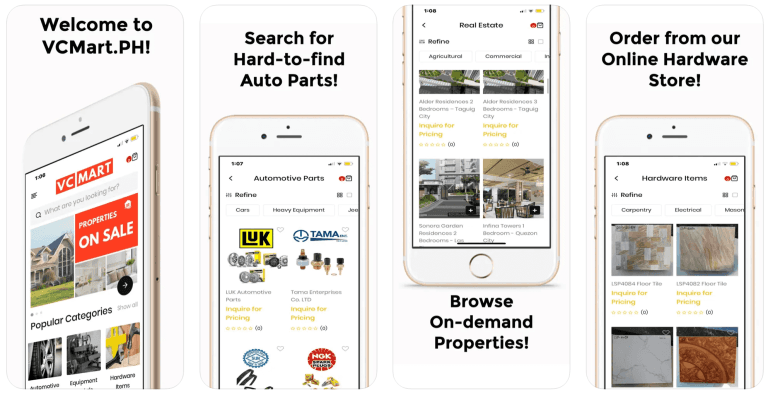
Retail & eCommerce
Multi-category marketplace — automotive parts, hardware and property — with supplier storefronts and enquiry-based pricing.
Read the case study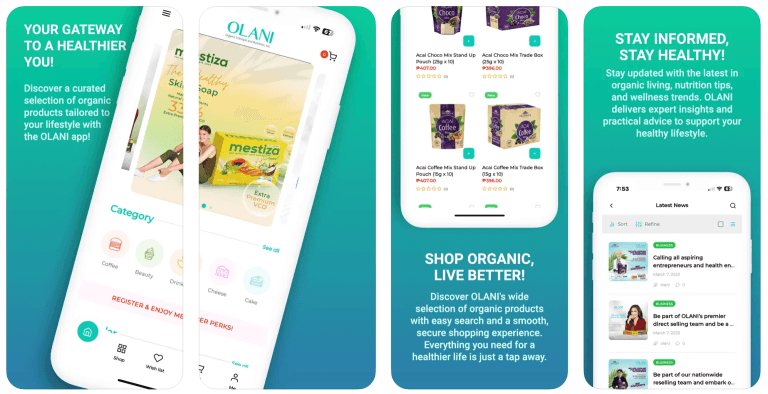
Organic Products
Product catalogue and online ordering for organic goods, with online and cash-on-delivery payment options.
Read the case study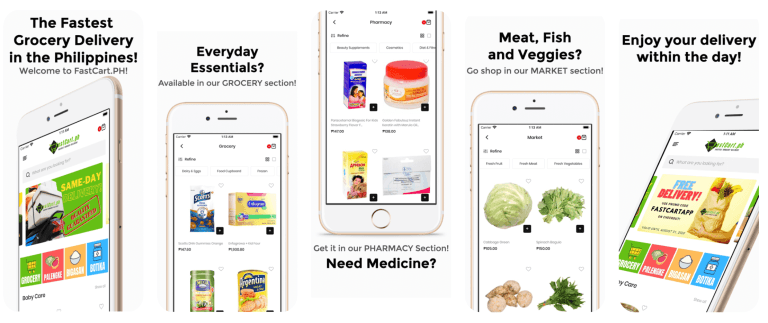
Logistics & Delivery
Order-to-doorstep flow with delivery updates for customers and a dispatch view for the team.
Read the case studyPlan your project
Tell us what you need to improve. We will recommend the right service path, scope and delivery approach before preparing a proposal.
Questions
Something not covered here? Message us — a real person from the team replies, usually the same day.
Ask us directlyEcommerce development in the Philippines runs from cheap template stores to seven-figure custom platforms. Ours start at ₱99,000: catalogue, checkout, GCash and Maya, COD workflow, hosting, a .com domain, company emails, training and one year of support. Pro adds a branded Android app. Business adds an iOS app as well, so you sell on both stores; Pro and Business are quoted after a short discovery call. You pay 50% down and the rest against milestones.
Shopify is fastest to launch and easiest to run, but you pay a monthly fee plus transaction fees forever and PH payment methods arrive through third-party apps. WooCommerce costs less to run and bends to any workflow, but somebody has to maintain it. Ours sits in between: a one-time build fee instead of a platform subscription, GCash, Maya and COD configured at launch, and the free lifetime AI assistant included. Hosting is free for your first year, then from ₱499 a month. We recommend based on catalogue size and the payment and courier setup you need.
Through a payment gateway. We handle payment gateway integration in the Philippines with PayMongo, Dragonpay, Maya Business and GCash, so customers pay by e-wallet, card, online banking or over-the-counter without leaving your store. You will need business documents for the merchant account approval — we build the technical side and walk you through the application. Gateway fees are charged by the provider per transaction and are separate from our build cost.
Yes. Marketplace integration keeps one stock count across your own store and your Shopee and Lazada shops, so a sale on one channel drops the quantity everywhere and you stop overselling. Orders can flow into a single dashboard for packing and dispatch. The point is margin: marketplace commission comes off every order there, while a sale on your own store keeps the full amount less the gateway fee.
COD is still the default for many Filipino buyers, so we build it properly. Orders above a limit you set trigger a confirmation step by SMS, Viber or Messenger before dispatch. Your admin panel books the courier — J&T, LBC, Lalamove or Grab for same-day Metro Manila runs — prints the waybill and tracks delivery, returns and remittance, so you can see your return-to-sender rate instead of guessing at it.
Generally yes. Selling online is treated like any other business: DTI registration for a sole proprietorship or SEC for a corporation, a mayor's permit from your LGU, and BIR registration for your receipts and returns. Payment gateways will ask for those documents before approving your merchant account. We build the store either way, but confirm the exact requirements with your accountant or your BIR RDO.
Yes. A dropshipping website in the Philippines needs three things done right: supplier data that keeps prices and stock current, delivery times stated clearly so customers are not surprised, and a checkout that handles GCash, Maya and COD. We build the store, connect the supplier and courier systems that expose an integration, and train the AI assistant to answer shipping-time questions before they turn into complaints.
Yes, though that is custom work rather than a package. Multivendor marketplace development covers vendor onboarding and dashboards, per-vendor product management, commission rules, splitting one order across sellers, and payout reporting. Timeline and cost depend on the rules you want, so we scope it with you and quote against milestones, outside the standard website and store packages.
Tell us how your business works. We'll come back with a clear recommendation, a timeline and a price — no obligation.