
Contact Us
GF MGD Bldg. Brookside, Cainta, Rizal 1920
+63 936 298 2810
venderitsolutions@gmail.com
Get a Quote
Online vs Offline Business: The Hybrid Future
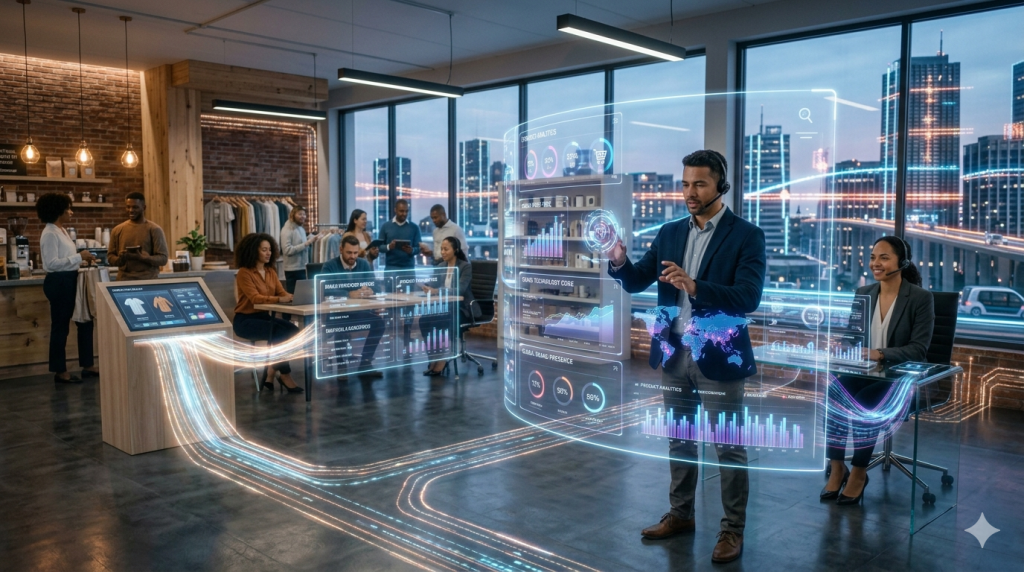
In the rapidly changing economy of 2026, the debate regarding online vs offline business models has shifted from a competition to a collaboration. Therefore, successful entrepreneurs are now realizing that the most profitable path forward involves integrating the best of both worlds into a single, cohesive strategy.
While digital platforms offer unparalleled reach and automation, physical locations provide tangible trust and personal connection. Consequently, businesses that master this hybrid approach can capture a larger market share and drive significantly higher revenue than those sticking to a single channel.
Decoding the Online vs Offline Business Debate
Understanding the core differences between online vs offline business structures is essential for making informed strategic decisions. In fact, modern consumers no longer see a boundary between their digital and physical shopping experiences, which forces brands to be present everywhere.
Technology now acts as the bridge that connects these two distinct environments. By leveraging data from digital interactions to improve physical services, you can create a seamless journey that meets the high expectations of today’s tech-savvy customers.
1. The Scalability of Online Operations
One of the most significant advantages of a digital model is the ability to scale without the high overhead costs of physical real estate. For instance, a website can serve thousands of customers across the globe simultaneously while your physical doors are locked for the night.
- Global Reach: Digital platforms allow you to find customers in any time zone, effectively removing the geographical limits of a traditional storefront.
- Automation: Use software to handle sales, inventory, and customer support, which significantly reduces the need for manual labor.
- Lower Entry Barriers: Starting an online venture often requires less capital, allowing you to test products and markets with minimal financial risk.
2. The Trust and Tangibility of Offline Stores
Despite the rise of e-commerce, the physical storefront remains a powerful tool for building deep brand loyalty and trust. Specifically, customers often prefer to see, touch, or try a product in person before making a final commitment to purchase.
In addition, face-to-face interactions allow your staff to provide personalized service that is difficult to replicate through a screen. This human element often results in higher ticket sizes and a stronger emotional connection to your brand.
3. The Rise of the “Phygital” Experience
The term “phygital” describes the merging of physical and digital experiences to provide ultimate convenience. For example, many successful brands now offer “buy online, pick up in-store” (BOPIS) options to satisfy the need for instant gratification.
By using your online vs offline business assets together, you remove friction from the buyer’s journey. Consequently, this synergy ensures that you never miss a sale simply because a customer preferred a different shopping method.
4. Cost Efficiency and Revenue Optimization
Operating a hybrid model allows you to optimize your spending by using each channel for its greatest strength. For instance, you can use digital marketing to drive traffic to your physical location while using your store to handle complex customer service issues.
Furthermore, digital tools can help you track exactly which marketing campaigns are driving foot traffic. This data-driven approach ensures that your marketing budget is always working toward the highest possible return on investment (ROI).
5. Leveraging Data Across All Channels
In 2026, data is the most valuable asset in the online vs offline business landscape. By integrating your point-of-sale (POS) systems with your website analytics, you gain a 360-degree view of your customer’s behavior.
As a result, you can send personalized digital coupons to customers who recently visited your physical store. This level of targeting keeps your brand top-of-mind and encourages repeat purchases across both digital and physical platforms.
6. Overcoming the Limitations of Digital-Only Models
While online businesses are efficient, they often struggle with high return rates and a lack of sensory engagement. However, having a physical touchpoint can reduce these issues by allowing customers to verify the quality of a product in person.
Specifically, a hybrid model reduces the “risk” of an online purchase. When customers know they can return a product to a local store or speak to a real person nearby, they are much more likely to complete a high-value transaction online.
7. Enhancing Local SEO and Physical Visibility
Physical locations provide a massive boost to your digital presence through local SEO. Specifically, having a verified address and local citations helps you rank higher in “near me” searches, which are the most likely to convert into sales.
In addition, your physical signage acts as a permanent advertisement for your digital brand. People who walk past your store during the day are much more likely to visit your website later that evening to browse your full catalog.
8. Inventory Management in a Hybrid World
Managing inventory across online vs offline business channels used to be a nightmare. Thankfully, modern technology now allows for real-time syncing of stock levels across every platform you use to sell.
- Unified Stock Levels: Prevent overselling by ensuring your website knows exactly what is available on your store shelves.
- Smart Fulfillment: Use your physical stores as mini-warehouses to ship online orders faster and cheaper to local customers.
- Dynamic Pricing: Adjust your prices based on local demand or online competition to maximize your profit margins at all times.
9. Customer Support and Personal Connection
Customer service is often the deciding factor in brand loyalty. While chatbots are great for basic questions, having a physical location where customers can get expert help provides a level of security that digital-only brands cannot match.
Ultimately, this hybrid support system ensures that every customer feels heard and valued. By providing both digital speed and physical depth, you create a brand experience that is both efficient and deeply human.
10. Future-Proofing Your Business Strategy
The market is unpredictable, but a hybrid strategy offers the best protection against sudden changes. For instance, if digital ad costs skyrocket, your physical foot traffic can sustain your revenue while you adjust your online tactics.
Moreover, being present in both worlds allows you to pivot quickly as new technologies emerge. Whether it is augmented reality shopping or local delivery drones, your hybrid foundation ensures you are ready to lead the market in 2026 and beyond.
Conclusion: Winning the Hybrid Future
The choice between online vs offline business is no longer an “either/or” decision. Instead, it is about how effectively you can blend these two worlds to create a superior experience for your customers and a scalable revenue engine for your brand.
By investing in a professional website while maintaining a strong local presence, you secure your place in the future of commerce. Embrace the hybrid model today to unlock new levels of growth, trust, and long-term business success.
Ready to transform your digital presence into a revenue machine? Contact VenderIT today to build a website that drives real business results.
Ready to build your professional website?
Contact VenderIT today to start your digital transformation.Get Started Now