VENDERIT
Get a Quote

Marketplace Platforms

Healthcare marketplace development for practitioners, clinics and wellness providers

A platform where every provider listed is verified, every record is handled properly, and every booking is paid and paid out on time.

Healthcare marketplace development differs from every other marketplace in one way that shapes the whole build: the platform is accountable for who it lists.

Spa bookings · live

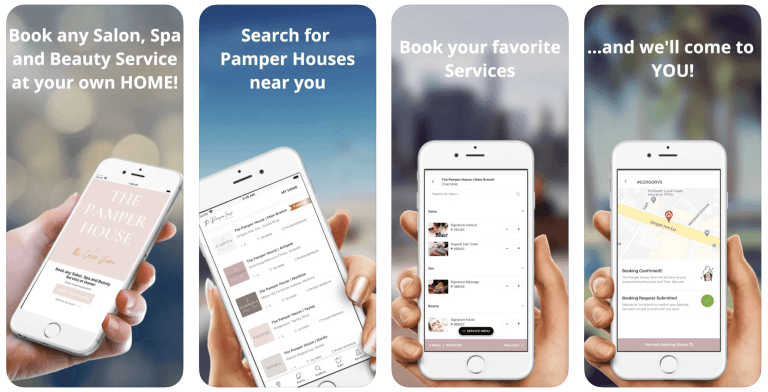
An animated spa and salon booking screen: a guest chooses a priced service, a rated therapist and an open time slot, then a confirmed booking appears with the salon location.

Guests choose, book and confirm on their own — even while every chair is full.

Business package — where care platforms start
₱199K

Business package — where care platforms start

Uptime on VenderIT Cloud
99.9%

Uptime on VenderIT Cloud

Years building for Philippine businesses
20+

Years building for Philippine businesses

Businesses running on VenderIT Cloud
2,000+

Businesses running on VenderIT Cloud

Who it serves

01

The patient and customer experience

Search by service, specialty, language, location or availability — never by symptom, because the platform does not diagnose and should not pretend to. Profiles show credentials, fees, consultation format and the next open slot. Booking captures the reason for the visit in the patient's own words, uploads prior documents, and confirms by SMS and Viber. After the consultation the patient keeps a record: the visit summary the provider issued, the receipt, and any follow-up date.

02

The provider console

Practitioners, therapists and care workers manage their own schedules, consultation types and fees across clinic, home visit and video. A consultation workspace holds the patient's history on the platform, notes entered by the provider, uploaded results and referral letters. Nothing is written by the system on a provider's behalf. Earnings show the platform fee already deducted, the payout date, and which consultations are still inside the dispute window.

03

Credential verification and re-checks

This is the part that cannot be skipped. Regulated practitioners submit a PRC licence number checked against the register before approval, together with a government ID and a matched selfie. Clinics and facilities submit their DOH licence and business permits. Care workers and therapists submit an NBI clearance and the certificate their category requires. Every credential carries an expiry date, and an expired licence blocks new bookings automatically rather than after somebody notices.

04

The admin console: listings, complaints and takedowns

Approve applications with the documents attached, publish the category and specialty tree, review profile claims before they go live so nobody advertises a treatment outcome, hold and decide complaints with the booking record and chat attached, and suspend a provider so upcoming bookings are cancelled and refunded rather than silently dropped. Every moderation action is logged with the reviewer, the reason and the timestamp.

05

Records, consent and the Data Privacy Act

Health information is sensitive personal information under the Data Privacy Act of 2012, so consent is captured explicitly at booking, stored with its version and timestamp, and withdrawable. Access is role-based and logged — you can show exactly who opened a record and when. Data is encrypted at rest and in transit, retention periods are configurable, and health data is never used for marketing without a separate opt-in. We build the controls and the evidence trail; your DPO signs off the policy.

06

Payments, packages, HMO and company accounts

GCash and Maya through PayMongo, cards, bank transfer and cash at the clinic counter. Session packages and prepaid credits for therapy, rehab and wellness programmes, with the balance visible to both sides. Corporate and HMO arrangements are handled as billed accounts: the employee books, the platform records the approval reference, and the invoice goes to the company or insurer instead of the patient. Refunds and cancellations follow your published policy automatically.

07

Products: supplements and pharmacy delivery

Product listings carry the FDA registration number, the batch and the expiry, and the platform blocks the sale of stock past its expiry date. No listing may claim to treat or cure anything, and the review step exists to enforce that. Prescription items require an uploaded prescription verified by a licensed pharmacist on the seller's side before the order is released, with the prescription retained against the order. Delivery books to a courier with handling notes, and controlled or cold-chain items are excluded unless the seller is licensed to move them.

Connects with

  • PayMongo for GCash, Maya and card payments
  • Zoom or Google Meet for video consultations
  • PRC and DOH credential document workflow with expiry tracking
  • SMS, Viber and Messenger appointment reminders
  • Google Calendar sync for practitioners
  • GCash, Maya and bank batch payouts to providers
  • Courier booking for pharmacy and supplement delivery
  • Role-based access logging and encrypted document storage

Built for real businesses

Pricing

Care and wellness platforms start at ₱199,000 on the Business package

Business ₱199,000 covers the patient site, provider console, credential workflow, booking, payments and the admin console, on a 15-day target once your categories, verification rules and consent wording are settled. Pro ₱149,000 adds a branded Android app. Video consultation rooms, HMO billing accounts and prescription verification flows are scoped separately and quoted before you commit, because each one adds real review time. 50% down, the balance in milestones.

See what's included

Industries using this

Questions

Answers before you ask

Ask us directly

₱199,000 on the Business package covers the patient site, provider console, credential verification, booking, payments and the admin console. Video consultation rooms, HMO and corporate billing, and prescription verification are scoped on top and quoted before you commit. Care platforms carry more review and compliance work than a retail marketplace of the same size, so we would rather show you the full number early than discover it mid-build.

Regulated practitioners submit their PRC licence number with a government ID and a matched selfie, and the number is checked against the register before their profile can publish. Clinics submit their DOH facility licence and permits. Care workers submit an NBI clearance and any certificate the category requires. Every credential has an expiry date, and once it lapses the provider stops receiving new bookings automatically.

It answers administrative ones — hours, fees, location, what to bring, how to reschedule, whether a provider takes your HMO. It does not answer clinical questions, give advice, interpret results or suggest what someone might have, and it is configured to say so and hand off to your team. That boundary is deliberate. A chatbot guessing at symptoms is a liability, not a feature.

Health information is sensitive personal information under the Data Privacy Act of 2012. Consent is captured explicitly at booking with its version and timestamp, and can be withdrawn. Access is role-based and every record view is logged, so you can answer who opened what and when. Data is encrypted at rest and in transit, retention is configurable, and health data is never used for marketing without a separate opt-in.

The platform supports it, but the licensing is yours, not ours. Prescription items require an uploaded prescription that a licensed pharmacist on the seller's side verifies before the order is released, with the prescription retained against the order record. Over-the-counter products and supplements list their FDA registration number, batch and expiry. Controlled substances and cold-chain items stay off the platform unless the seller holds the specific licence to handle them.

As billed accounts rather than card payments. The employee or member books normally, the platform records the approval or letter of authorisation reference against the appointment, and the charge routes to the company or insurer instead of the patient. You get a statement per account with the bookings itemised. Actual claim adjudication stays with the HMO — the platform produces the record they ask for, not the approval.

On your schedule, usually weekly or twice monthly, but what differs in care is the release trigger. A video consultation releases once the provider has filed the visit record, not merely when the call ends — that single rule is what stops an undocumented consultation being billed. A home-care shift releases against checked-in and checked-out hours. Anything billed to an HMO or a company account never enters that cycle: it releases when the account settles, and the provider's ledger shows it as receivable rather than pending, so nobody is chasing you for money the insurer has not paid yet.

Related

Want this built for your business?

We shape it around how you actually work, then launch it with training and a year of support.