
01
One codebase, two real apps
Flutter compiles to native machine code for each platform, so what reaches the store is a real iOS app and a real Android app — not a website in a shell. Both come out of one build, on one timeline, quoted once.
Your #1 Technology Partner · Cainta, Rizal · 24/7 AI-assisted support
Mobile App Development
One codebase, two app stores, one bill — and a straight answer on the days Flutter is the wrong tool.
Flutter app development is our house stack, and that is a deliberate choice rather than a fashion.
A phone cycling through the home, service, booking and profile screens of a Philippine home-services app, ringed by home-screen icon, push notification, offline sync and app-store cards.
Your own app on their phone — booking you in a few taps, signal or not.
iOS and Android ship from a single build
Branded app in the Pro package
Lifetime AI assistant inside every app
Free support and warranty after launch
Flutter compiles to native machine code for each platform, so what reaches the store is a real iOS app and a real Android app — not a website in a shell. Both come out of one build, on one timeline, quoted once.
The design system arrives in the codebase as a Flutter theme and a set of shared widgets — buttons, cards, form fields, list rows, empty states. Material 3 behaviour on Android and Apple's navigation and typography on iOS come out of that same widget set, so a colour or spacing change is one edit rather than forty.
A Laravel or Firebase API, the admin panel your team runs the app from, unlimited listings and users, and payment integration for GCash, Maya, cards and bank transfer alongside offline payment recording.
Listings, prices and the last screen a customer looked at are held on the device with Hive, so the app shows real content the moment it opens instead of a spinner. When something is submitted on a weak connection, the customer is told plainly whether it went through.
The free lifetime 24/7 assistant ships as part of the app rather than a chat bubble bolted on afterwards — trained on your services, pricing, stock and policies, capturing enquiries for your team while you sleep.
Platform channels into Kotlin or Swift for the handful of things Flutter can't reach on its own — a specific hardware SDK, a payment terminal, a background service. You are not boxed in by the framework choice.
We check what the app has to touch — camera, maps, Bluetooth, background location, hardware SDKs — and say plainly if native or React Native suits you better.
You get: A written stack recommendation, including when we would say no
One design pass, with the per-platform differences that users actually notice called out and agreed rather than discovered after launch.
You get: Approved screens plus a Flutter component library
App, backend, admin panel, payments and AI assistant training, with the iOS and Android builds coming off the same source from day one.
You get: A test build installed on your own phone
Budget Android handsets and iPhones, old OS versions and new, mobile data as well as WiFi, with your team trained on the admin panel.
You get: Tested iPhone and Android builds and a closed defect list
App Store Connect and Google Play submissions filed under your own accounts, then support as the stores change their rules.
You get: Live App Store and Google Play listings
What we build with
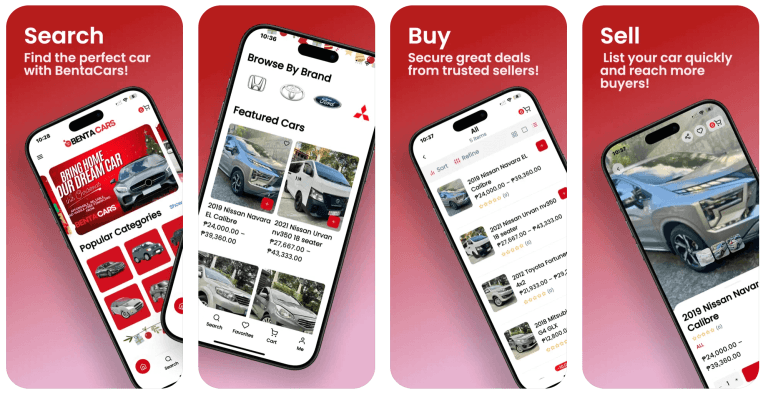
Automotive
Used-car marketplace app with brand browsing, priced listings and favourites from one build.
Read the case study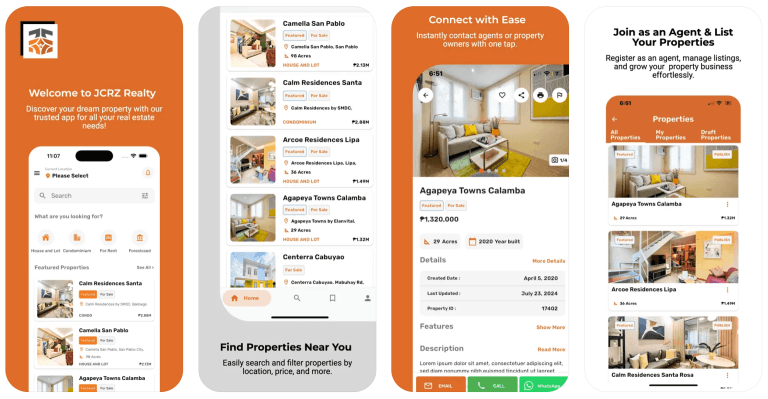
Real Estate
Property listings, agent contact and viewing enquiries kept identical on both platforms.
Read the case study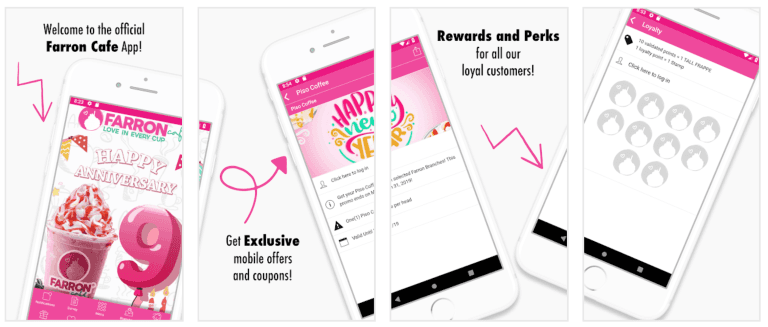
Restaurants & Food
Points, rewards and offers for repeat customers, updated from a single admin panel.
Read the case studyPlan your project
Tell us what you need to improve. We will recommend the right scope and practical next step before preparing a proposal.
Questions
Something not covered? Message us — a real person from the team replies, usually the same day.
Ask us directlyYes. It compiles to native machine code, ships to both stores like any other app, and Google builds its own products on it. The real risk with any cross-platform framework is depending on community plugins for hardware features — camera, Bluetooth, biometrics. We manage that by choosing well-maintained plugins and writing native code where there isn't one. Your app's data and backend are yours regardless of the framework.
Three worth knowing. Downloads are larger than a native app because the framework ships inside it — a few extra megabytes, which does matter on a phone with no free storage. Anything deeply hardware-bound, like AR or constant background location, needs native code bridged in. And a brand-new iOS or Android feature can take weeks to reach Flutter plugins. For booking, catalogue, loyalty and listings apps, none of those bite.
Not if the design does its job. Flutter draws its own interface, so the platform conventions are a decision we make rather than something we inherit: iOS gets Apple's navigation, back-swipe, system typography and share sheet; Android gets Material 3, its own back behaviour and pickers. The apps people spot as cross-platform are the ones where an Android design was shipped to both stores unchanged.
Yes. Payment providers are integrated through their SDKs or hosted checkout, so GCash, Maya, cards and bank transfer all work in-app, and offline payments — cash, COD, over-the-counter — are recorded through your admin panel so the books still reconcile. Payment integration is part of the package rather than an extra module we bill for afterwards.
Usually, and it is a common reason people call. We keep your backend and your data, rebuild the front end once in Flutter, and you come out with an iOS app as well for close to what maintaining Android alone was costing. What we check first is whether anything in your app needs native code Flutter can't reach. If it does, we tell you before you commit.
Flutter, unless you already employ React developers. The question that decides it is who maintains the app in year two. If that is us, or any Dart developer you hire later, Flutter is the cheaper thing to keep running and we are faster in it because we are in it every day. If your own engineers write React and will own the codebase after handover, React Native lets them reuse types and API code from the web app they already maintain, and we build that instead. You get the recommendation in writing before you commit.
You do — the Dart source, the designs, the backend, the store listings and the domain. We hand over the repository, and nothing in the app requires VenderIT to stay involved. Most clients keep us for hosting and support because it costs less than staffing it, but that is a decision you make each year rather than a lock we build in.
Tell us how your business works. We'll come back with a clear recommendation, a timeline and a price — no obligation.