The buyer experience, tuned to what you sell
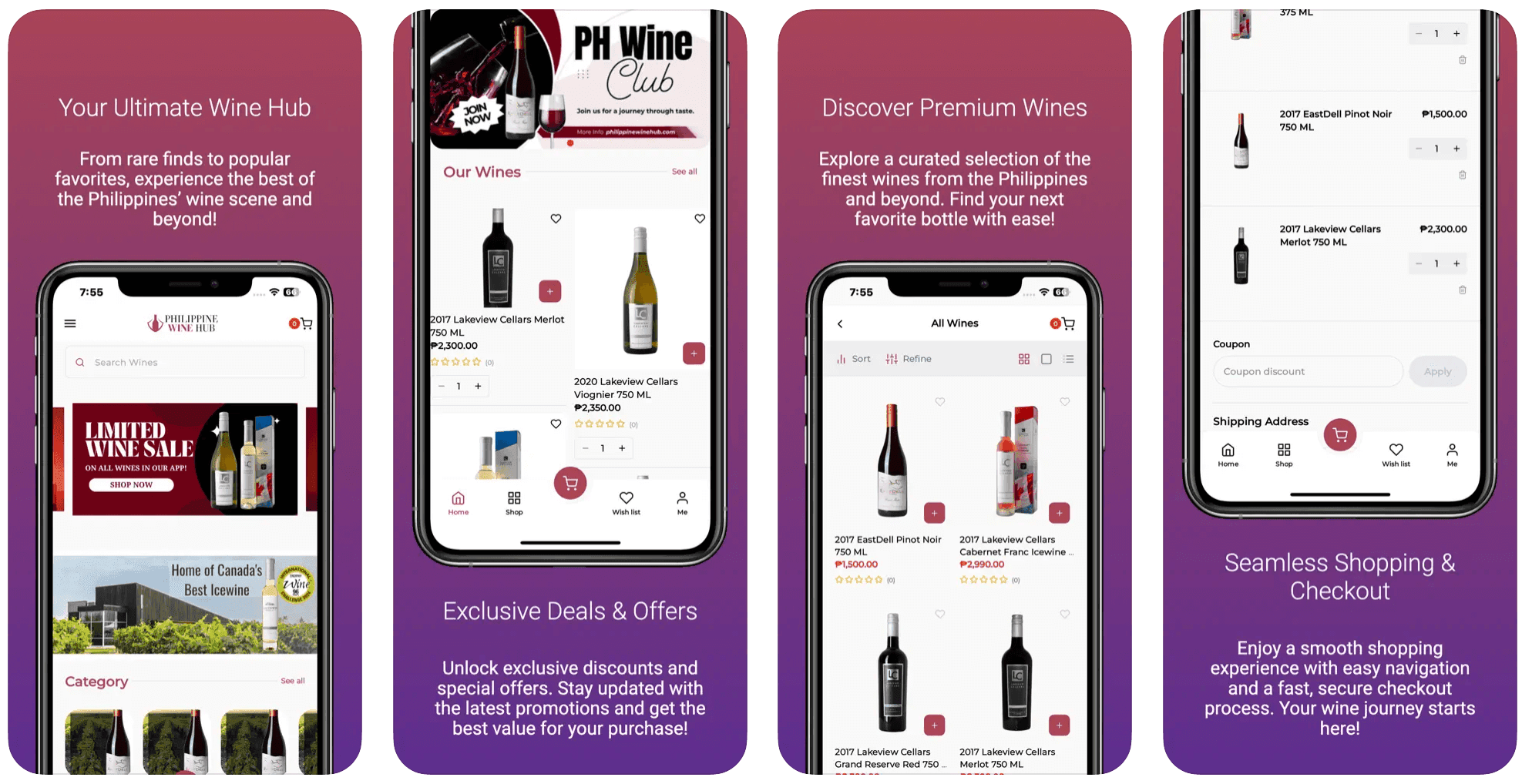
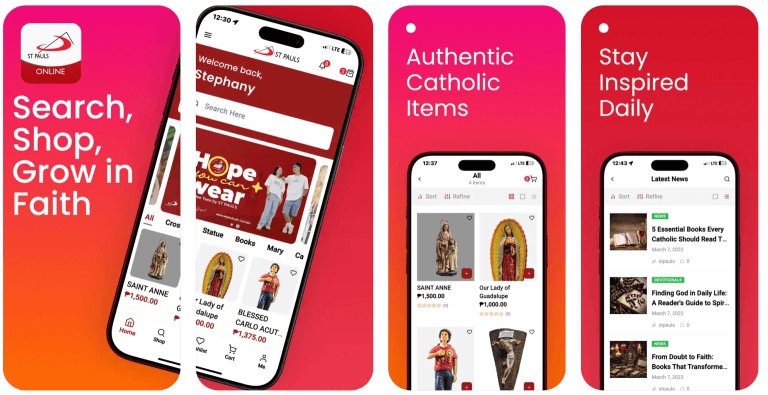
One search across every seller, with filters that match the category rather than a generic price slider — carat and metal for jewelry, US and EU sizing for sneakers, dimensions and material for furniture, socket and chipset for computer parts, age range for toys, ISBN and author for books. A single cart splits into separate vendor orders at checkout, each tracked on its own. Comparison matters more here than in any other marketplace: the same watch reference or the same chipset offered by four sellers belongs on one page with condition, warranty and delivery window side by side, not scattered across four search results.
The vendor storefront and seller app
Product data is where these sellers actually struggle, so the storefront is built around it. A spreadsheet template per category imports a 600-SKU accessories catalogue with the fitment column intact. A variant matrix holds size, colour and metal together, so a sold-out size 9 does not pull the whole sneaker listing. Photo rules are enforced per category, which is why a jewelry seller cannot publish one dim phone shot of a ring. Each seller gets a branded store page, their own promos and shipping rules, and a low-stock view that flags the variant rather than the product.
The admin console: catalogue governance
Product marketplaces fail on catalogue quality long before they fail on traffic, so the console is built for that fight. A category tree you restructure as product lines arrive. Mandatory attributes per branch — carat, socket, dimensions, ISBN — that block a listing until they are filled. Duplicate detection when three sellers upload the same SKU under three different names. A review queue that catches anything entering a high-risk category before it publishes. Every moderation action is logged with the reviewer, the reason and the timestamp.
Payments Philippine shoppers actually use
GCash and Maya through PayMongo or Dragonpay, cards with instalment plans for the ₱30,000 sofa or the ₱18,000 camera, bank transfer with proof-of-payment upload, over-the-counter, and cash on delivery with courier remittance reconciliation so you know which rider still owes you which orders. COD is still the default for first-time buyers in the provinces, so we build the reconciliation rather than pretending it away.
Commissions, listing fees and placement
Set commission by category — a 4% rate on a ₱40,000 watch and 15% on a ₱250 phone case are both defensible, a single flat rate across both is not. Override per vendor, apply a minimum peso fee on small baskets, waive it during launch, or switch a top seller to a monthly store subscription. Featured slots, category banners and search boosts are priced and sold from the same console.
Delivery, from a ring in a padded envelope to a three-seater sofa
One catalogue can hold a pendant in a padded envelope and a three-seater sofa, and they cannot ship the same way. Small parcels book to J&T Express or Lalamove on the courier's own rate card. Bulky items — furniture, appliances, party equipment — carry dimensions and a volumetric weight, quote freight by zone, and reserve a delivery window with assembly, haul-away or a floor-level surcharge as paid add-ons, because a sofa cannot be left at a guardhouse. Fragile and high-value parcels can require a signature and an unboxing video on receipt, which is what settles a damaged-in-transit claim.
Authenticity, condition and dispute handling
Resale and luxury categories live or die on trust. Listings can require serial numbers, receipts, hallmark photos and a condition grade with a defined scale rather than the seller's opinion of "like new". High-value orders can route through an inspection hold before release. Buyer reports open a case with the payment held, the chat and photos attached, and a decision window your team commits to publicly.