Preview, licence, instant download
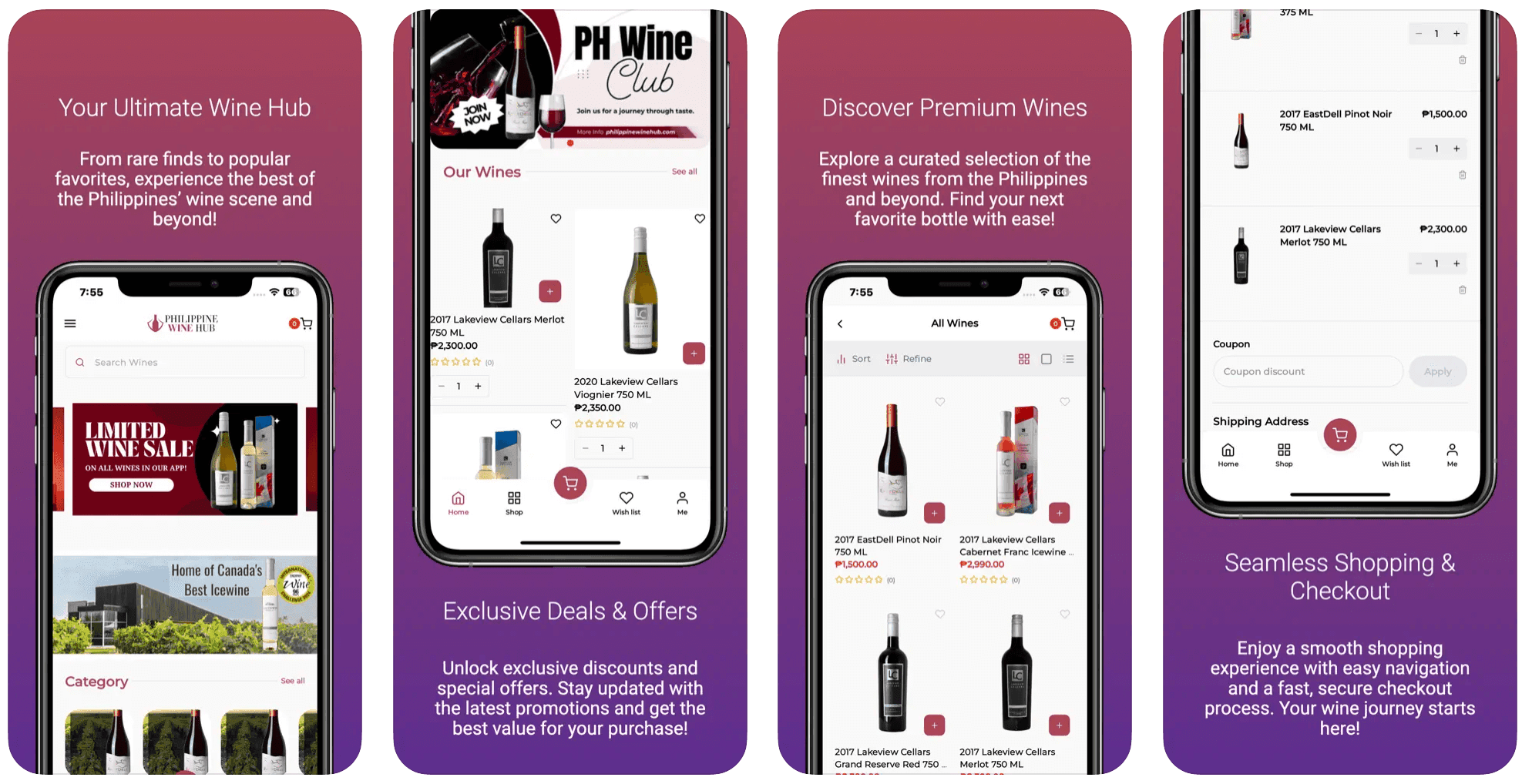
Preview before purchase — watermarked images, a low-resolution render, the first module of a course, three pages of a template. Licence tier chosen at checkout in plain words rather than legalese: personal, commercial, extended, or per-seat. After payment the file is available immediately, and a permanent library holds every purchase with its licence certificate and re-download rights.
The creator console
Upload with version control, so fixing a bug in a template does not orphan the 200 people who already bought it — they get the update and a changelog. Pricing per licence tier, bundles, discount codes, free lead-magnet products, and a sales dashboard showing units, revenue, refunds and the platform fee already deducted. Payout requests with a visible threshold and the next run date.
Review, curation and takedowns
Every submission is reviewed before it publishes, because a marketplace that lists a stolen font is liable for it. Reviewers see the file, the preview, the claimed licence and the creator's history. A copyright complaint route pulls the product within hours, suspends payouts on it pending resolution, and keeps the audit trail. Repeat infringers lose the account and their pending balance is held according to your published policy.
Delivery and licence protection
Downloads served through expiring signed links that cannot be pasted into a group chat, per-purchase download limits with a reasonable ceiling, licence keys embedded in files that support them, and per-seat course access tied to one login. This slows casual sharing rather than defeating determined piracy — anyone selling you unbreakable protection on a downloadable file is not being straight with you.
Creator payouts, withholding and receipts
Payouts to GCash, Maya or bank on a schedule, with a minimum threshold and a full ledger of sales, revenue share, refunds and adjustments. Creator income in the Philippines is taxable and marketplaces are increasingly expected to document it, so the platform captures TIN details, generates payout summaries, and applies withholding where your accountant tells you it applies. We build the fields and the reports; your accountant confirms the treatment.
How the platform earns
Revenue share is standard, typically 20-40% depending on how much traffic you actually bring. A flat listing fee suits creators who market themselves and resent the percentage. Creator subscriptions with lower commission reward volume sellers. Featured placement and newsletter slots are real income once you have an audience. Most platforms run revenue share plus placement, and drop the rate as a creator's volume climbs.
Refunds, chargebacks and abuse
Digital refunds need a policy the platform enforces, not a case-by-case negotiation: a stated window, an eligibility rule based on whether the file was downloaded, and automatic revocation of access when a refund is granted. Chargeback patterns per buyer are tracked, repeat abusers are blocked, and disputed revenue is held out of creator payouts rather than clawed back after they have spent it.